
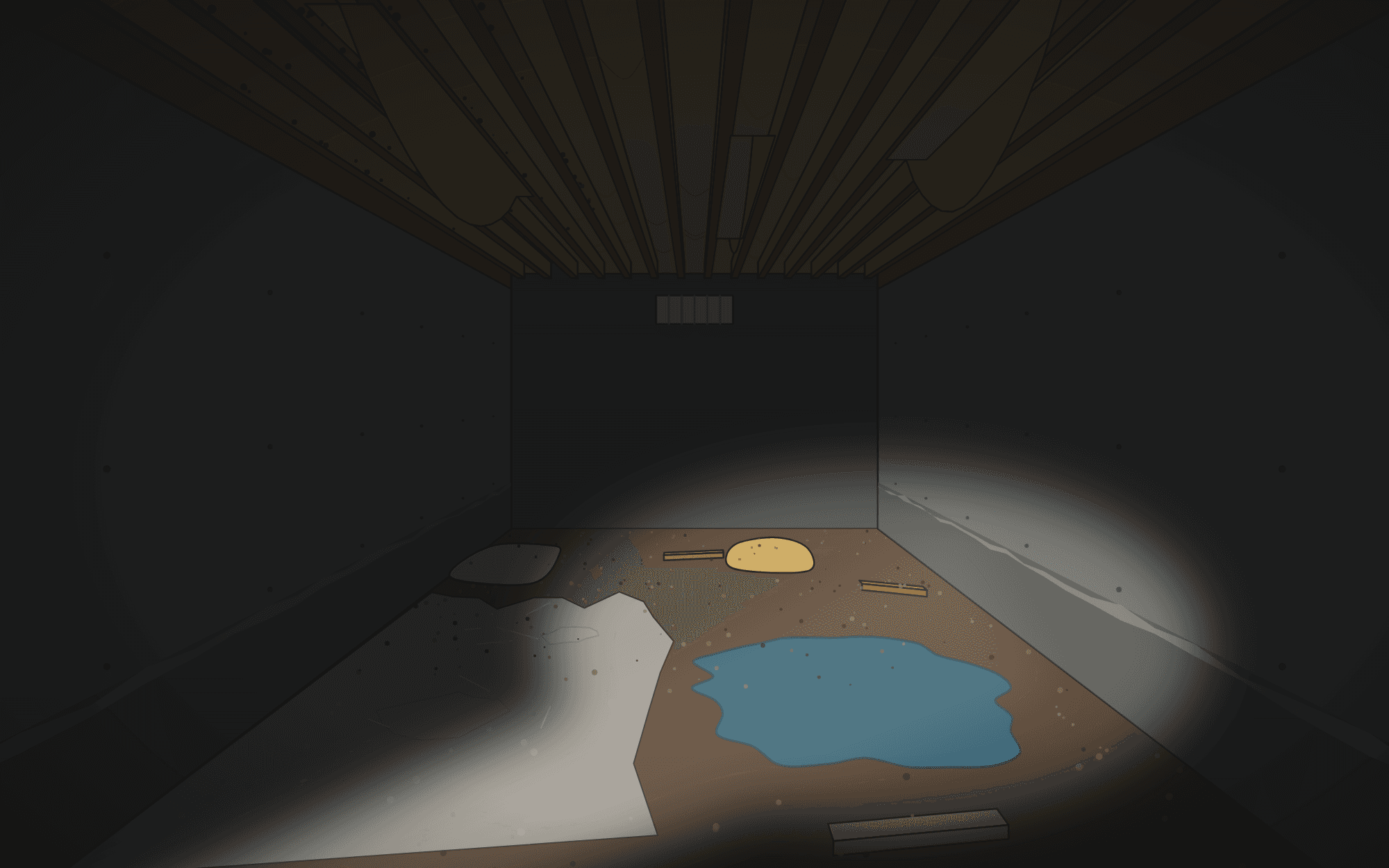
We crawl under there and tell you what’s actually wrong.
Crawl space repair across the Treasure Valley: water and sump pumps, vapor barriers, full encapsulation, mold, and insulation. Owner-operated, with photos and a written plan from every inspection.
Boise, Meridian, Nampa, Eagle, Kuna, Star, Caldwell, Garden City and Middleton
Fix it in the right order.
Most of what we find under valley homes starts with water. Put a new barrier down over a wet crawl space and you’ve sealed the problem in. So the work goes in this order, every time.
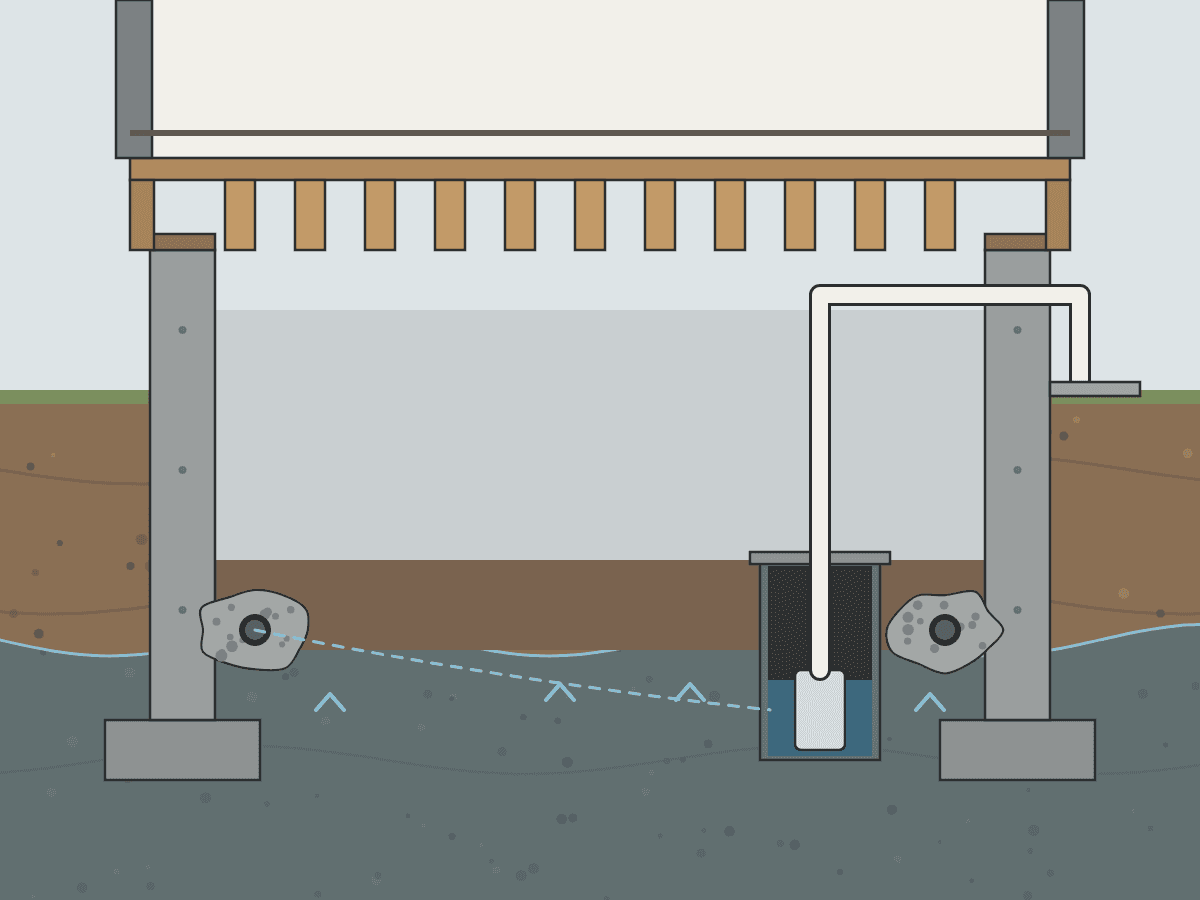
Water
Find where it’s coming from and give it somewhere to go: grading and downspouts, a drain, or a sump pump. Nothing else holds up until this is done.
Water removal and sump pumps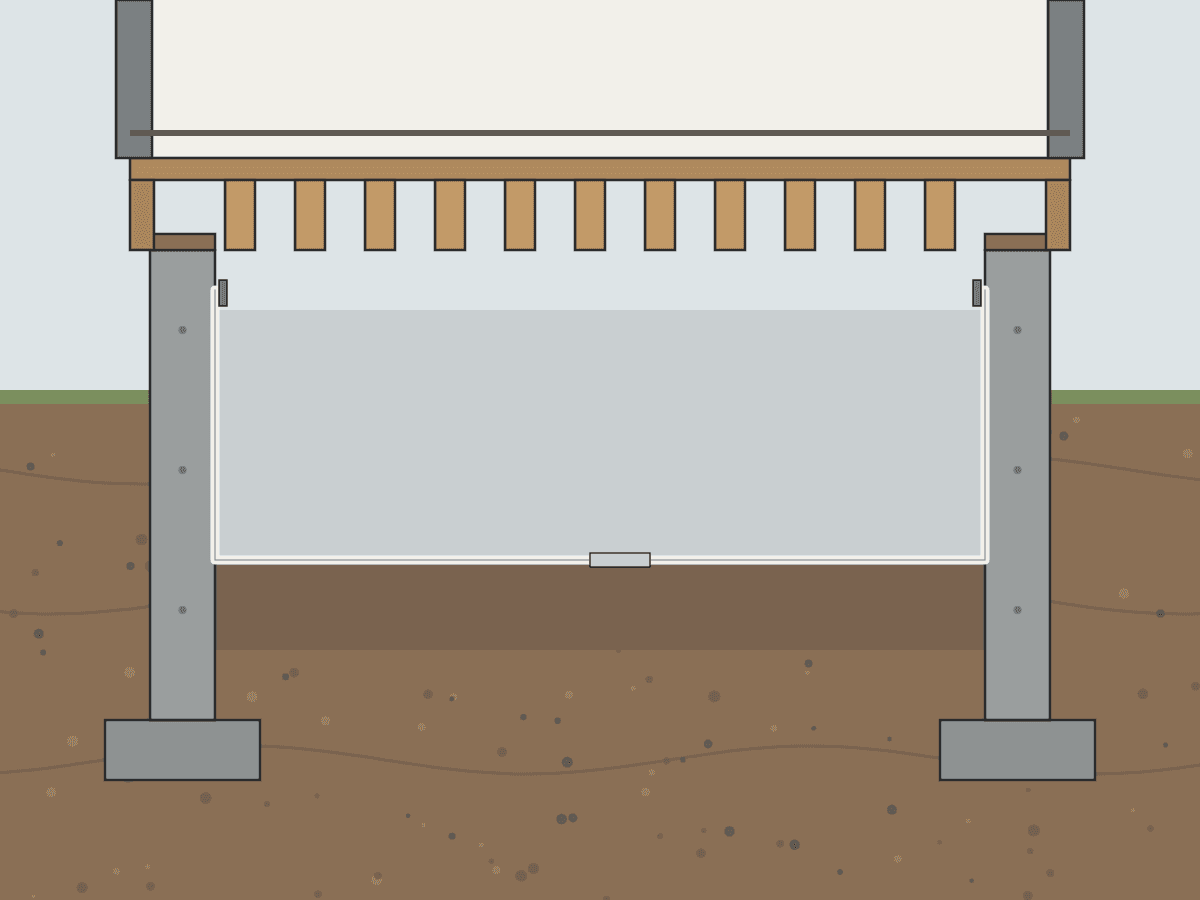
The barrier
Once it stays dry, a vapor barrier goes down over the dirt and up the walls, seams taped and edges fastened, so ground moisture stays in the ground.
Vapor barrier replacement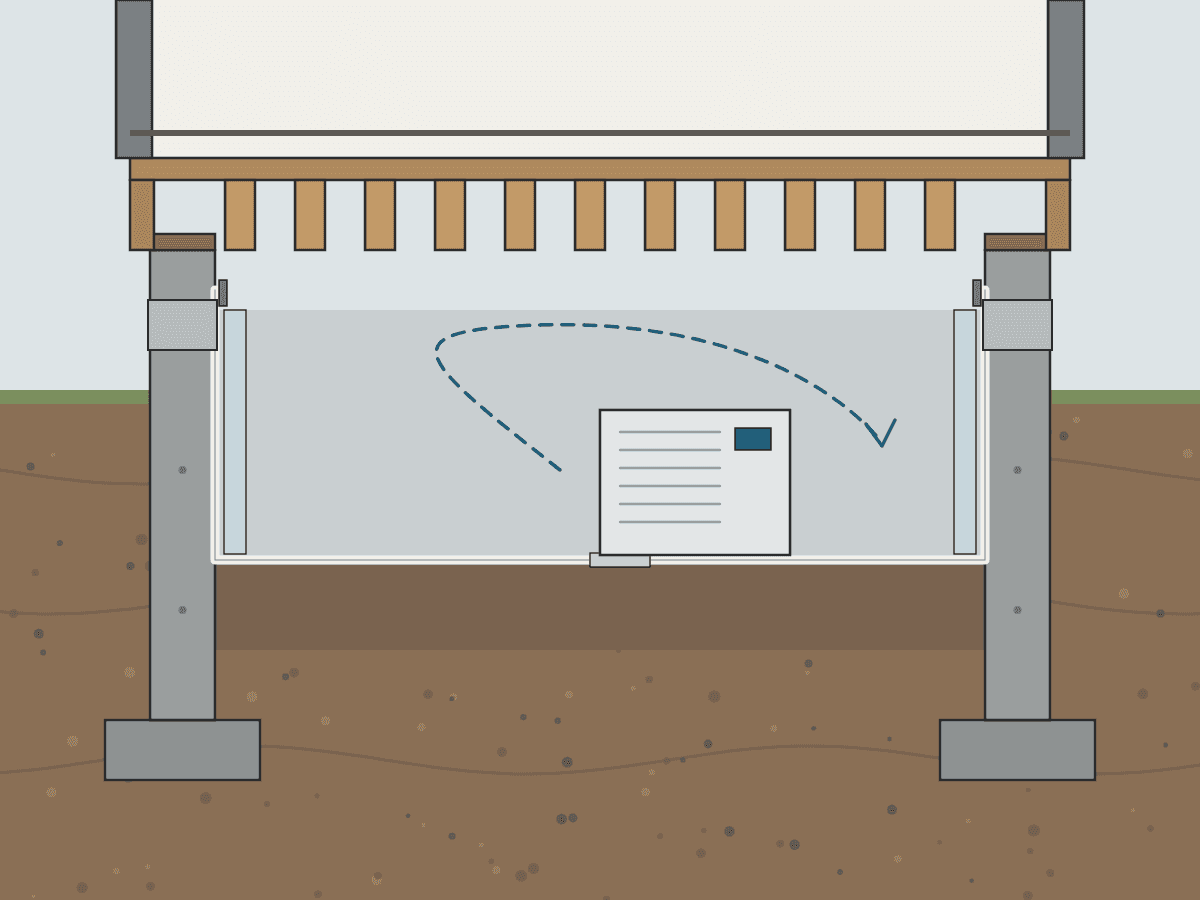
The air
Then the air: seal vents where it makes sense and dry the space with equipment sized to it. Insulation goes back in after this, not before.
Full encapsulation
What we fix
Five kinds of work, all under the house. Most jobs are some combination of them, done in order.
Water removal and sump pumps
Pump it out, find where it comes from, and give it a permanent way out.
Call when: Standing water, wet dirt, or a pump that runs all summer.
Vapor barrier replacement
Pull the old plastic, fix what’s under it, and put down a barrier that’s sealed and fastened.
Call when: Torn, thin, or missing plastic, or an inspector’s note about the barrier.
Crawl space encapsulation
Sealed liner on the ground and walls, vents closed, and the air dried.
Call when: Repeat moisture, ductwork in the crawl space, or you want it done once.
Mold remediation
Clean and treat the framing, then fix whatever kept it wet.
Call when: Dark staining or growth on joists and subfloor, or a musty smell.
Crawl space insulation
New insulation under the floor or on the walls, with old, wet, or damaged insulation pulled out first.
Call when: Cold floors, no insulation at all, or batts hanging down, wet, or torn up by rodents.
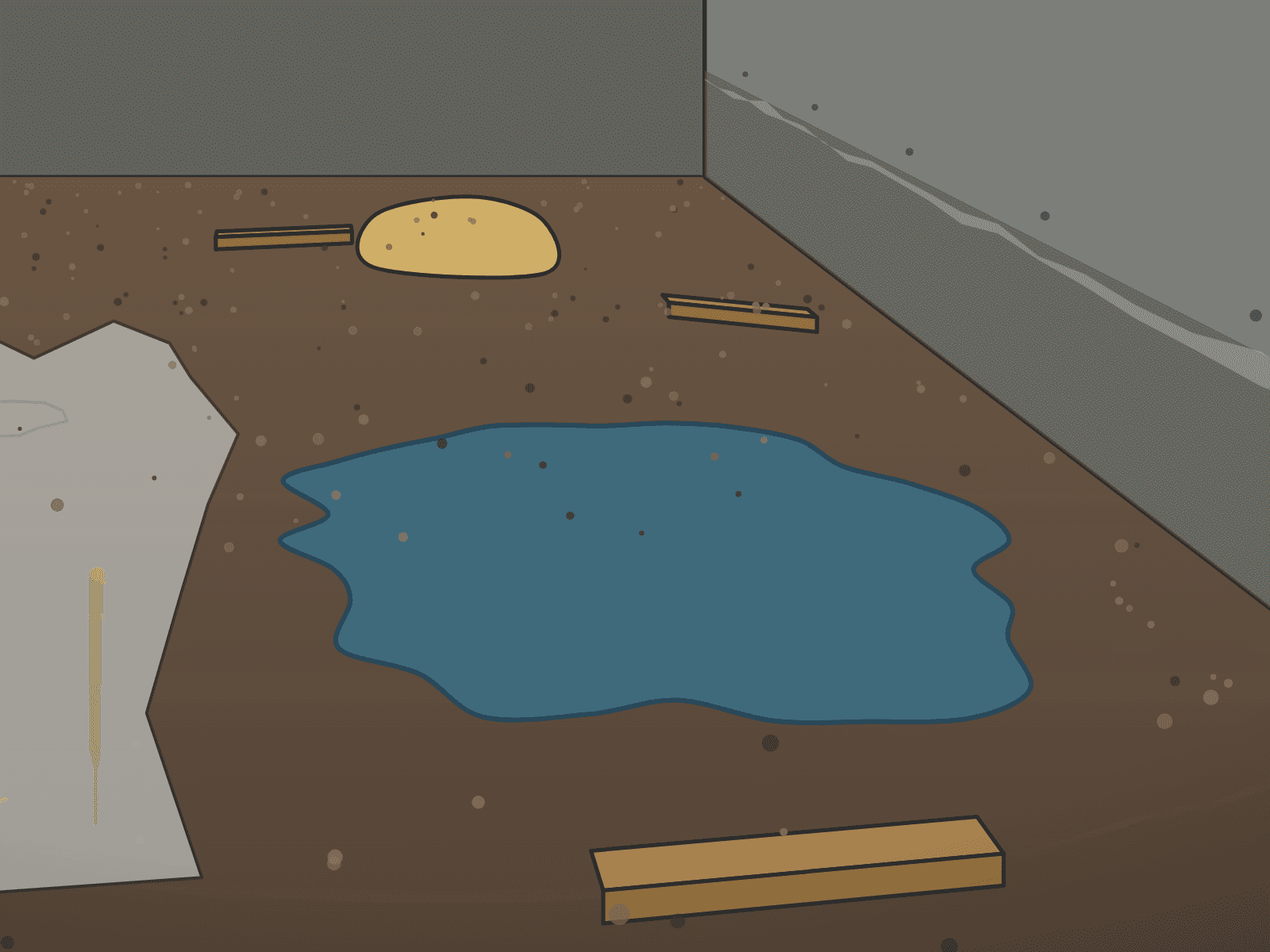
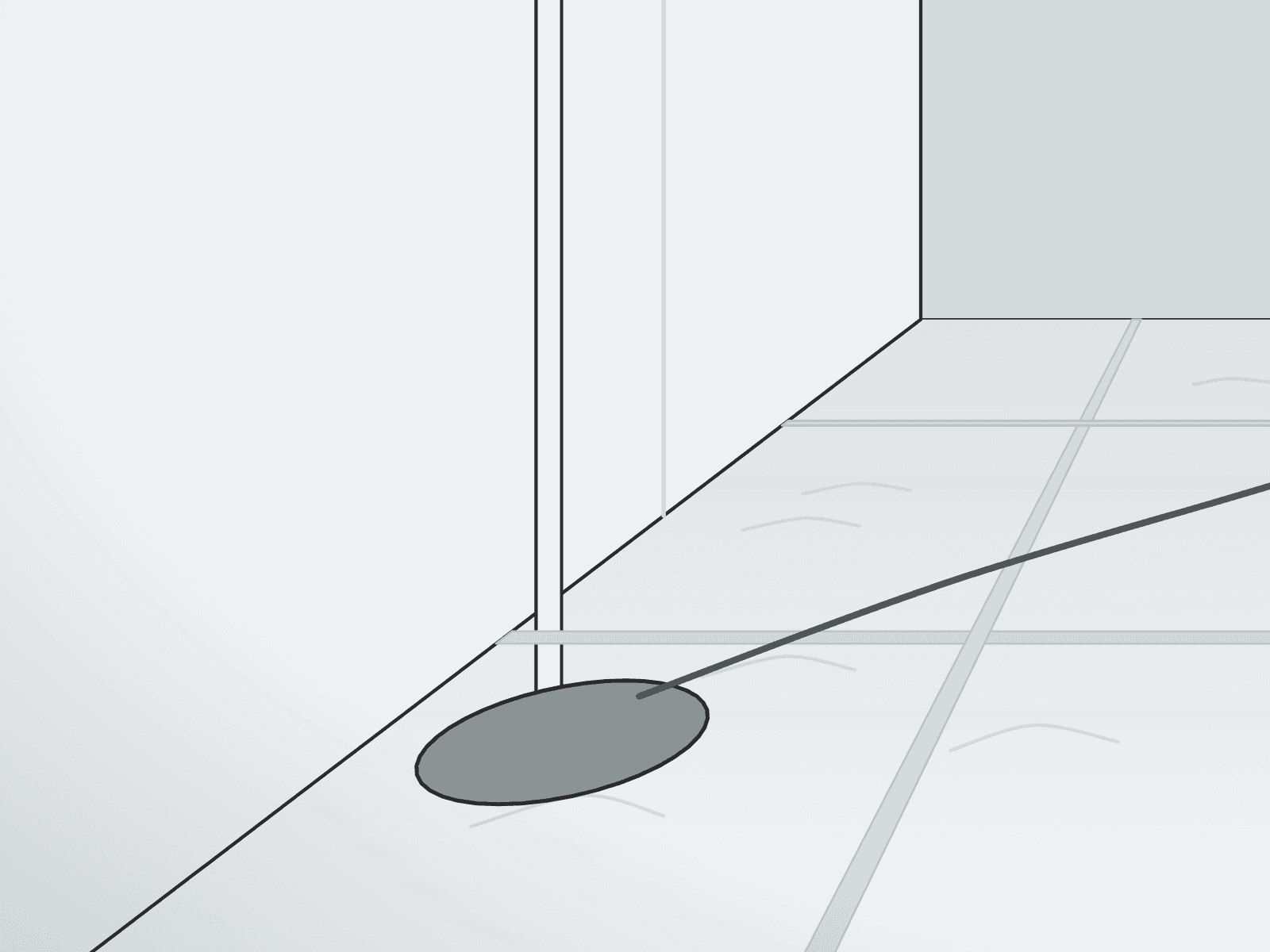
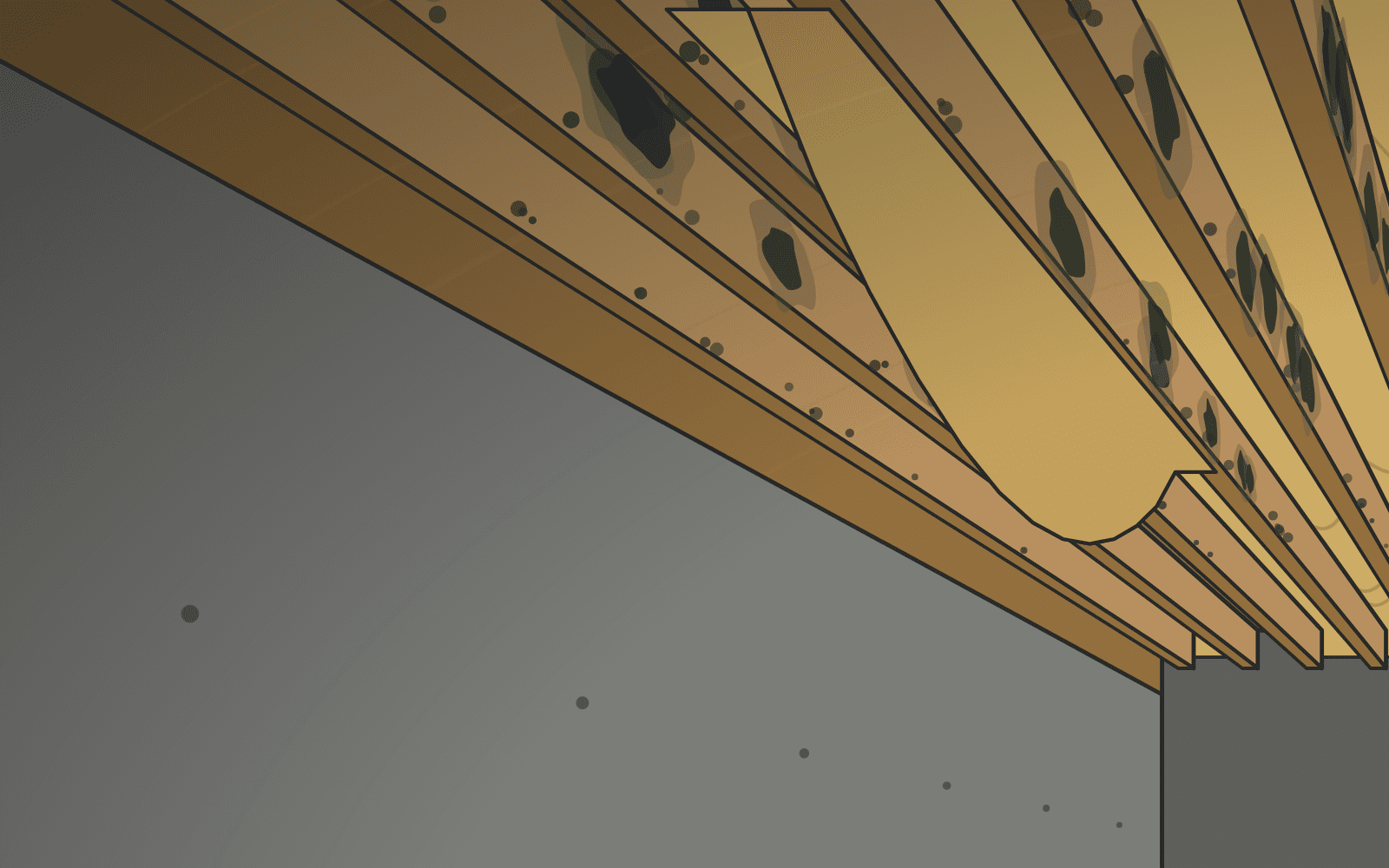
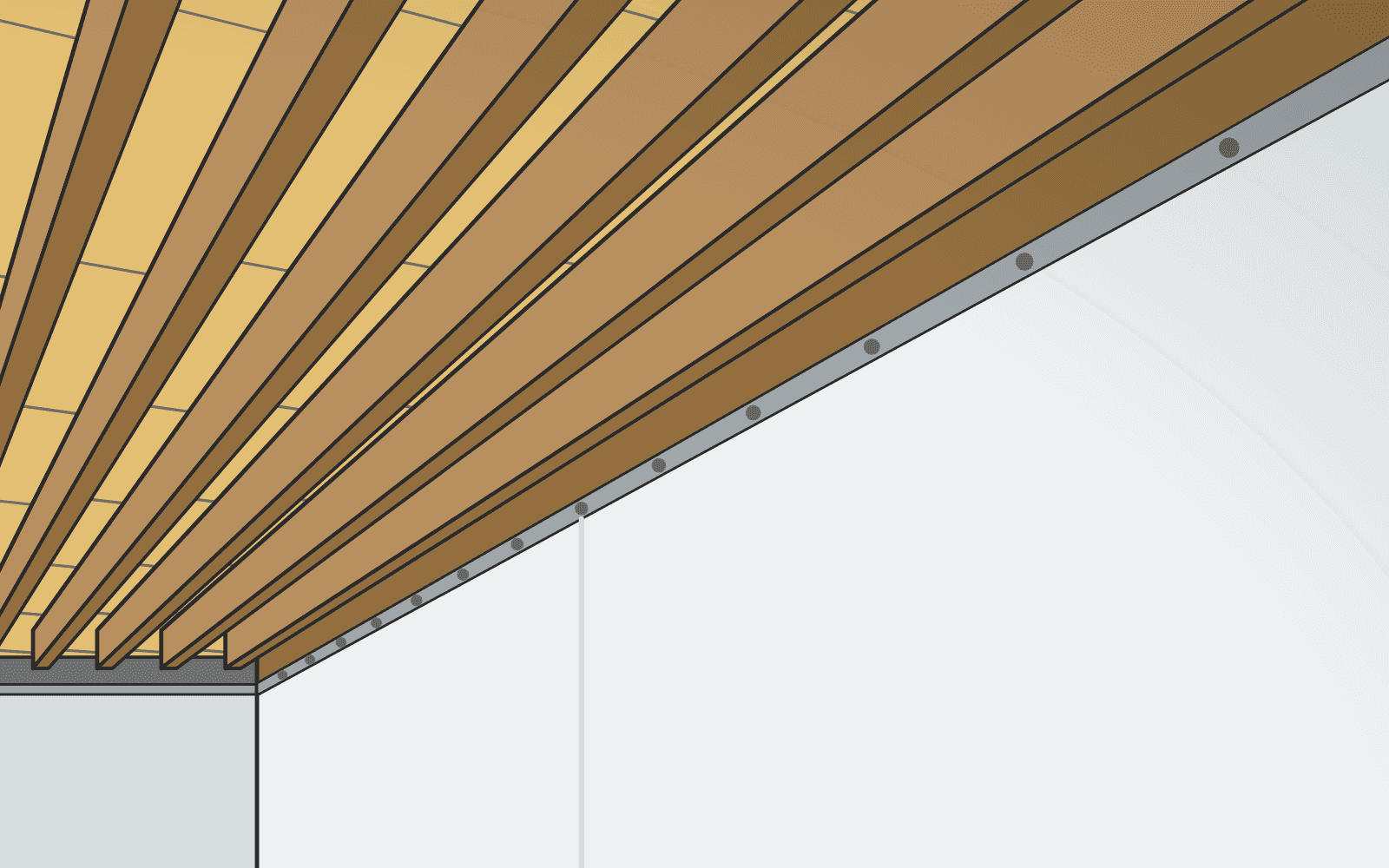
Same crawl space. Before, and after.
Drag the line to compare. Illustration. [Swap in a real job pair]
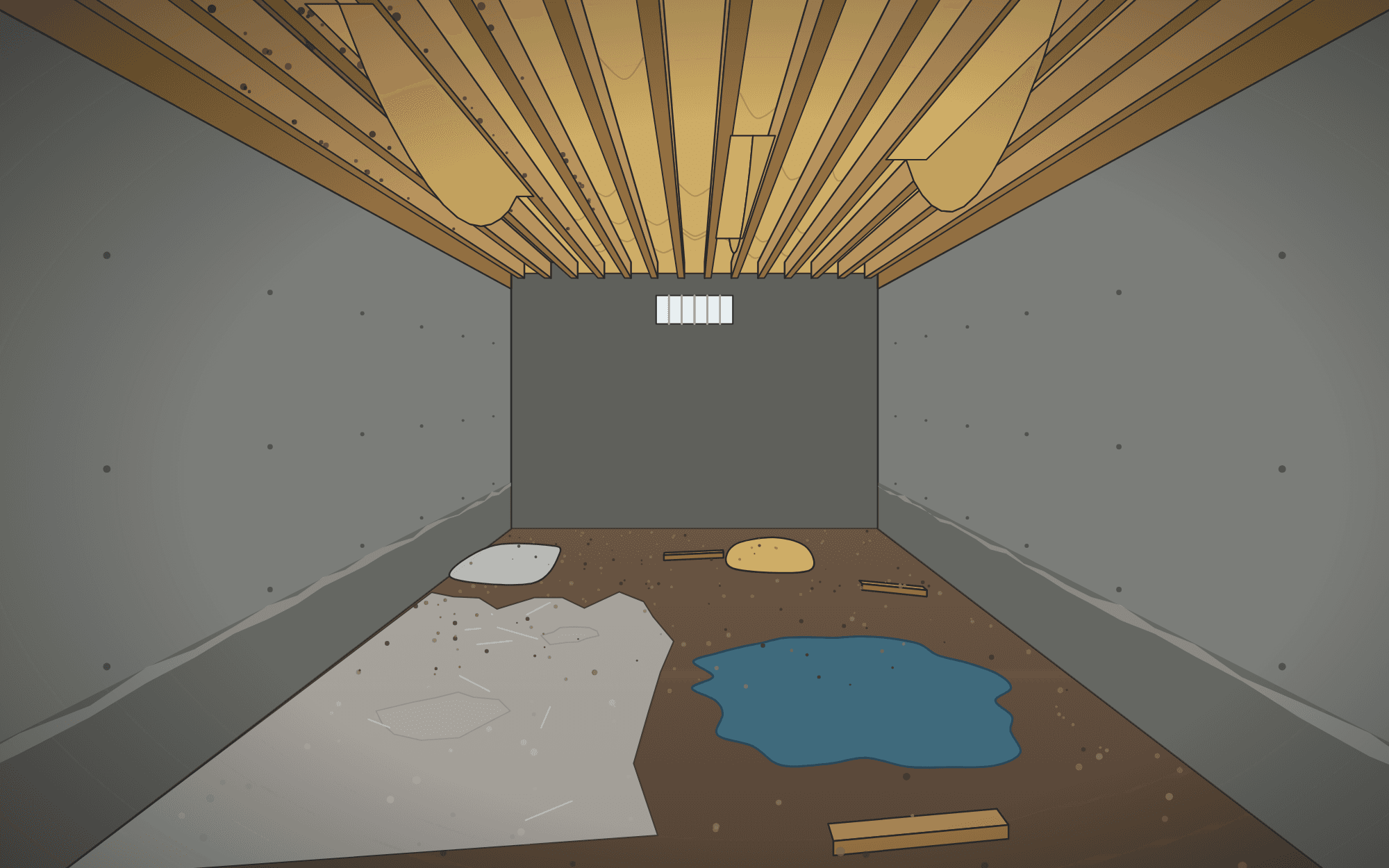
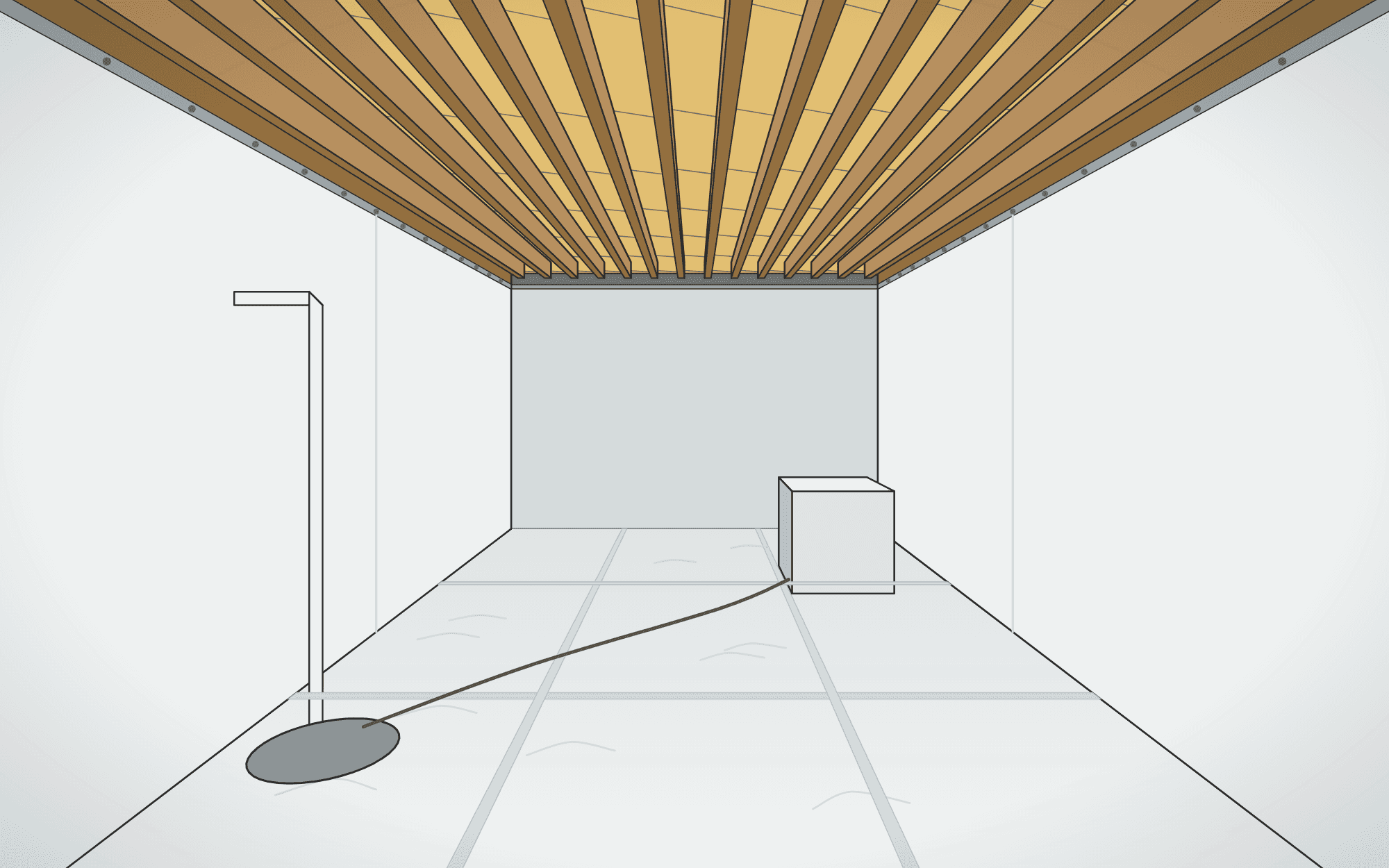
- 1Standing water on the dirt, groundwater from irrigation season
- 2Old vapor barrier torn, never sealed to the stem wall
- 3Insulation sagging out of the joist bays, mold on the framing
What you get from an inspection
- Photos of what’s down thereSo you can see it without crawling under the house yourself.
- What’s wrong, and what’s causing itNot just “the barrier is torn,” but why it’s wet in the first place.
- A written plan, in orderWater, then barrier, then air, with a price for each part.
- What it costs to inspect[Inspection fee, or free]
Why it’s dry in March and wet in August.
From roughly April to October the canals run full for irrigation. In many valley neighborhoods, that pushes the water table up, and it comes into the crawl space from underneath, not through the walls.
Exact dates vary by irrigation district and by year. So does how much it affects a given street.
What that means for you: a crawl space that looks fine at a spring inspection can have standing water by midsummer. If you put a new barrier down without handling that, the water ends up trapped under the plastic.
If yours is wet in summer and dry in winter, it’s probably groundwater, not a leak. That’s the first thing we check. Water removal and sump pumps
When the home inspector flags the crawl space.
Buyer’s side or seller’s side, it’s the same problem: a vague line in an inspection report and a closing date that isn’t moving. We turn that line into a written scope both sides can work from, and get the work done before closing.
- Day the report lands
Send us the report
Forward the inspector’s crawl space notes and your closing date.
- Inspection
We look for ourselves
We go under, measure, and photograph what’s actually there.
- Repair request
Written scope for the RE-10
Plain line items the agents can reference in the repair request.
- Before closing
Work scheduled to the date
We plan the job backward from your closing date.
- Closing
Photo report to both agents
Before and after photos and what was done, sent to both sides.
Agents and inspectors: send the report and the closing date, and we’ll take it from there. Your clients get a written scope, not a phone estimate.
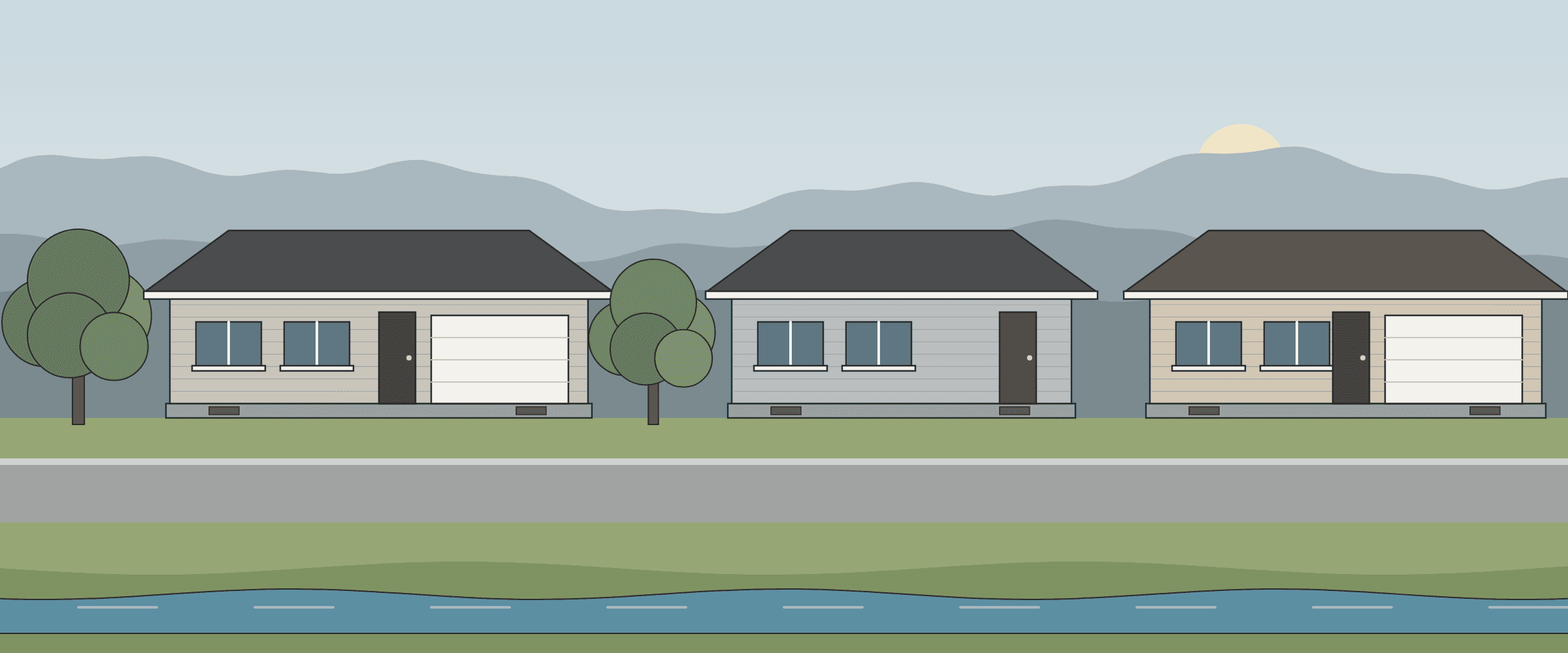
- BoiseOlder North End and East End homes, the Bench, and newer subdivisions out southwest.
- MeridianFast-built subdivisions on old farmland, crossed by irrigation laterals and drains.
- NampaOlder homes near downtown, new subdivisions, and Indian Creek running through town.
- EagleLarger homes between the river and the foothills, often with ductwork underneath.
- KunaNewer homes near canals and Indian Creek, which runs high while the New York Canal feeds it.
- StarOne of the fastest-growing towns in the valley, mostly new homes on farm ground.
- CaldwellOlder homes near downtown and the college, Indian Creek, and the Boise River.
- Garden CityOlder homes and new infill along the Boise River and the Greenbelt.
- MiddletonA small town core and new subdivisions, on low ground along the Boise River.
What customers say
Real reviews only, pulled from the Google Business Profile.
Common questions
Why is my crawl space wet in summer and dry in spring?
In many Treasure Valley neighborhoods the water table rises while the canals run for irrigation, roughly April to October. The water comes up from underneath, so a crawl space can look fine in spring and have standing water by midsummer.
Should I replace the vapor barrier if there’s water under it?
Not until the water is handled. A new barrier over a wet crawl space traps the water under the plastic. Water comes first, then the barrier, then the air.
What’s the difference between a vapor barrier and encapsulation?
A vapor barrier covers the ground and runs up the walls. Encapsulation seals the whole space: liner on the floor and walls, vents and gaps sealed, and the air dried with a dehumidifier.
Is the mold in my crawl space dangerous?
We don’t make health claims; if you’re worried about your health, ask your doctor. What we can tell you is that mold under a house means something is keeping the wood damp, and if only the mold gets cleaned, it comes back.
Can you work around our closing date?
Yes. Tell us the date up front. We schedule the job backward from it, write the scope for the repair request, and send a photo report to both agents when it’s done.
How much does it cost?
It depends on the size of the crawl space, whether there’s water, and what’s down there now. After the inspection you get a written price for each part of the job. [Inspection fee, or free]
Book an inspection
Tell us where the house is and what’s going on. We’ll call you back [How soon you call back] to set a time.
Standing water right now? Call instead: [Phone]